5 Major Types of Workplace Hazards With Examples

Understanding the major types of workplace hazards helps safety teams organise their approach and address risks effectively. Many hazards are interconnected, and some appear in multiple contexts, but grouping them into five categories makes prevention clearer. Below, each type includes examples to illustrate real workplace risks.
1. Physical Hazards
Physical hazards are usually the easiest to spot because they involve something visible, audible, or tangible.
Examples include:
1. Slips, trips, and falls caused by wet floors, cluttered walkways, uneven surfaces, or trailing cables.
2. Excessive noise from machinery or industrial processes affecting hearing over time.
3. Extreme temperatures impacting worker comfort, safety, and concentration, making it important to follow workplace temperature regulations.
4. Unguarded machinery, moving equipment, or poorly maintained tools that can cause injury.
5. Fire risks from improper storage of flammable materials or blocked fire exits, which are among the common causes of workplace fires.
2. Chemical Hazards
Chemical hazards involve substances that can cause harm through inhalation, skin contact, or ingestion. They are common in manufacturing, healthcare, cleaning, and construction.
Examples include:
1. Solvents and cleaning agents used without proper ventilation.
2. Corrosive substances such as acids and alkalis.
3. Toxic materials like lead, asbestos, or older chemicals in legacy buildings.
Preventing chemical hazards requires careful handling, proper storage, and staff training to avoid accidents and long-term health effects.
3. Biological Hazards
Biological hazards arise from organisms or substances originating from living things. They are often less obvious and may not cause immediate effects.
Examples include:
1. Bacteria and viruses present in healthcare, laboratory, or waste management environments.
2. Mould and fungal contamination in poorly maintained buildings.
3. Bodily fluids requiring careful handling and disposal to prevent infection.
4. Ergonomic Hazards
Ergonomic hazards develop gradually and often go unnoticed until chronic issues occur. They are usually related to posture, repetitive motions, or inadequate equipment.
Examples include:
1. Poorly designed workstations forcing awkward postures.
2. Repetitive strain from continuous movements like typing or lifting.
3. Inadequate seating, desk setup, or equipment support leading to musculoskeletal discomfort.
5. Psychosocial Hazards
Psychosocial hazards affect mental health rather than causing immediate physical injury, but their impact on performance, morale, and team wellbeing is significant.
Examples include:
1. High workloads and unrealistic deadlines causing stress and burnout.
2. Lack of support from management or colleagues creating isolation or anxiety.
3. Poor workplace culture, including bullying, harassment, or ineffective communication, which can reduce engagement and increase conflict.
How to Avoid Workplace Hazards and Risks

Controlling hazards and risks in the workplace follows a structured hierarchy, starting with the most effective controls and moving down to the least. Understanding this order helps ensure that safety decisions are applied in the right sequence, making protective measures more reliable and effective.
1. Elimination
Elimination removes the hazard completely, making it the most effective control available.
This might mean:
1. Removing a piece of faulty equipment from service entirely.
2. Redesigning a process so the hazardous step is no longer needed.
2. Substitution
Substitution replaces a hazard with something less dangerous, used when elimination is not practical.
Examples include:
1. Swapping a toxic chemical for a safer product, the exact judgement call a COSHH course is built to guide.
2. Replacing manual lifting with mechanical assistance.
3. Engineering Controls
Engineering controls change the environment or equipment itself, physically reducing exposure to the hazard.
These include:
1. Installing proper ventilation systems.
2. Fitting guards on dangerous machinery.
3. Using enclosed systems to limit contact with hazardous substances.
4. Administrative Controls: Training, Inspection and Housekeeping
Training, inspection, and housekeeping are examples of administrative controls, and they remain essential even when stronger controls are already in place.
This includes:
1. Regular staff training and refresher sessions, often built around a broader risk assessment course.
2. Scheduled workplace inspections.
3. Consistent housekeeping routines to prevent hazards from building up.
5. Personal Protective Equipment (PPE)
PPE sits at the bottom of the hierarchy, used as a final layer of protection once every other control has already been applied.
1. Common examples include:
2. Gloves and protective clothing.
3.Eye and face protection.
Respiratory protection where needed.
This same hierarchy applies directly to hazardous substances, and it mirrors the control methods covered in chemical exposure in the workplace, where elimination and substitution matter just as much as PPE.
How to Prevent Physical Hazards in the Workplace

Preventing physical hazards in the workplace relies on consistent upkeep rather than one-off fixes, because most physical risks develop gradually when small issues are left unaddressed. Regular maintenance, inspections, and prompt repairs are essential to stop minor problems from turning into serious safety hazards.
1. Improve Workplace Layout and Housekeeping
A well-organised workplace naturally carries fewer hazards, simply because there is less room for something to go wrong unnoticed.
This involves:
1. Keeping walkways clear of clutter and obstructions.
2. Storing materials properly rather than leaving them in passageways.
3. Marking hazards clearly with appropriate safety signs in the workplace.
2. Maintain Equipment Regularly
Equipment that is regularly checked rarely fails without warning, which is exactly why maintenance schedules matter so much.
This includes:
1. Routine servicing based on manufacturer guidelines.
2. Prompt repairs when faults are first noticed.
3. Removing damaged equipment from use immediately rather than waiting.
3. Reduce Noise and Environmental Risks
Environmental hazards often get less attention than visible ones, yet their impact on worker wellbeing builds up just as seriously over time.
Practical steps include:
1. Using quieter machinery where possible.
2. Providing hearing protection in high-noise areas.
3. Maintaining reasonable working temperatures, in line with workplace temperature regulations in the UK.
4. Provide Manual Handling and Safety Training
Proper technique prevents far more injuries than strength ever could, which is why manual handling training remains one of the highest value investments a workplace can make.
This should cover:
1. Correct lifting posture and technique.
2. When to use mechanical aids instead of manual lifting.
3. Recognising personal limits and asking for help when needed.
How to Prevent Chemical Hazards in the Workplace
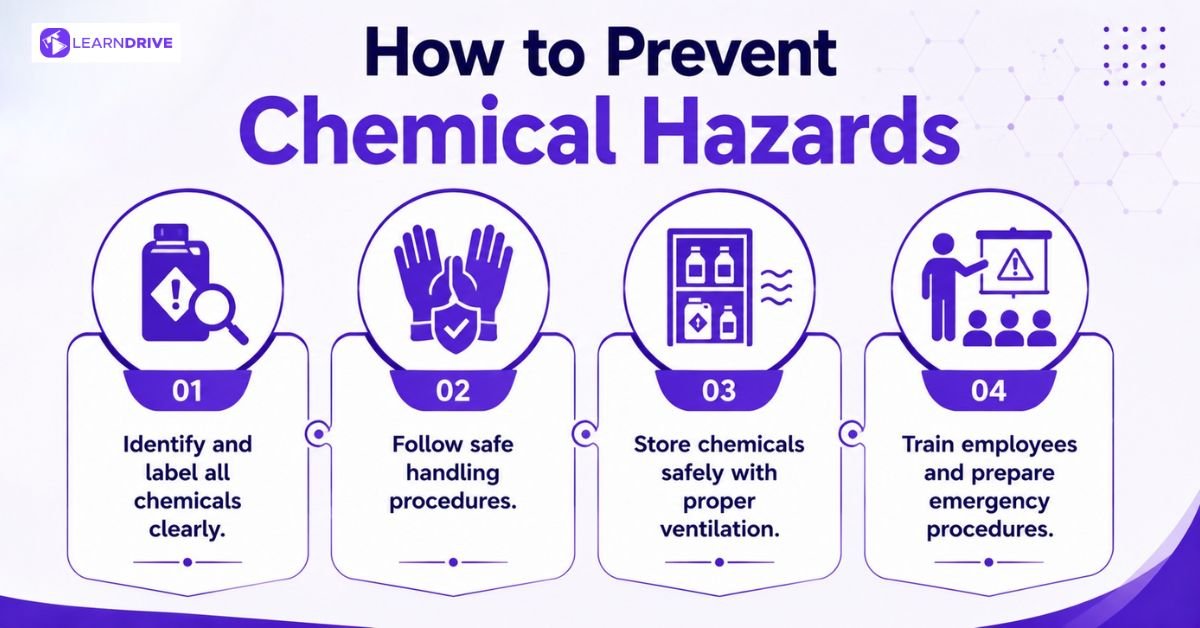
Chemical risks are a constant presence in many workplaces, from factories and laboratories to offices and healthcare settings. These hazards often go unnoticed until an accident happens, such as a chemical spill, inhalation of fumes, or accidental contact with a corrosive substance. Preventing incidents requires vigilance, proper handling, safe storage, and ensuring employees are trained to recognise and respond to potential dangers.
1. Identify and Label All Chemicals
Clear identification of chemicals is the first step in reducing accidental exposure. Maintaining an up-to-date chemical inventory ensures that all substances in the workplace are tracked and accounted for.
Each container should be clearly labelled with its contents and any hazard warnings so that employees can immediately recognise potential risks. It is also important to make sure that all staff are aware of which substances are considered high risk and understand the precautions needed when handling them.
2. Follow Safe Handling Procedures
Proper handling of chemicals is essential to protect staff from both immediate and long-term harm. Employees should use chemicals strictly according to the instructions provided, ensuring that each substance is handled safely.
It is important to avoid mixing incompatible substances, as this can lead to dangerous reactions. Additionally, limiting the quantity of chemicals handled at one time helps reduce the risk of spills, overexposure, or accidental ingestion, keeping the workplace safer for everyone.
3. Ensure Proper Storage and Ventilation
Preventing chemical exposure also depends on controlling the workplace environment. Chemicals should be stored in secure, ventilated areas to reduce the risk of inhalation or accidental contact.
Incompatible substances must be kept separate to avoid dangerous reactions, and flammable materials should always be positioned away from heat sources or open flames. Maintaining these environmental controls helps minimise hazards and creates a safer workplace for all employees.
4. Provide Training and Emergency Procedures
Prepared employees respond more effectively to chemical hazards. Staff should be trained on the safe use of substances and made aware of their potential effects. Workplaces must maintain readily accessible spill kits, eyewash stations, and first-aid supplies to handle emergencies. Emergency contacts and procedures should be clearly displayed so that employees can act quickly and safely if an incident occurs.
How to Prevent Biological Hazards in the Workplace
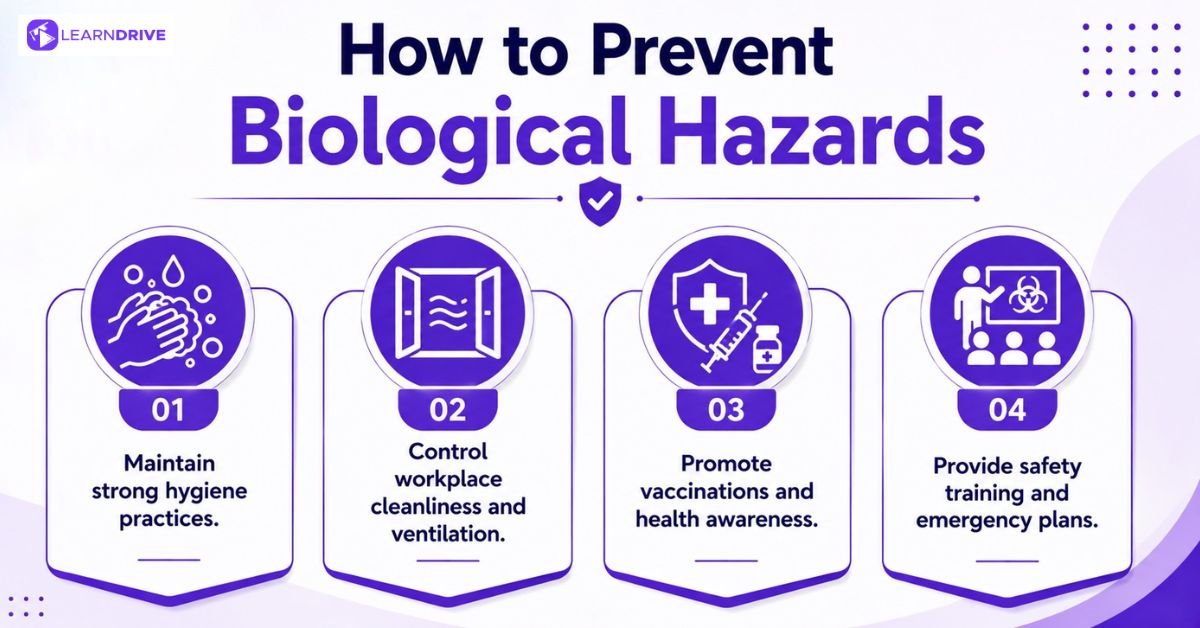
Biological hazards, such as viruses, bacteria, fungi, or other infectious agents, can pose serious risks in workplaces like healthcare facilities, laboratories, and care environments. Preventing exposure relies on hygiene, safe handling, and environmental controls to protect employees and reduce the spread of infection.
1. Maintain Strict Hygiene Practices
Maintaining high hygiene standards is the first line of defense against biological hazards. Employees should wash their hands frequently and use sanitizers when needed. Work surfaces and equipment must be regularly cleaned and disinfected to prevent harmful pathogens from accumulating. Proper disposal of contaminated materials, including waste and used tools, further reduces the risk of exposure.
2. Control the Workplace Environment
The environment itself plays a critical role in reducing biological risks. Ensure that spaces are properly ventilated to prevent airborne contamination. Infectious materials should be isolated in designated areas, and high-contact surfaces should be disinfected routinely. These controls help limit exposure for all staff and maintain a safer workplace.
3. Vaccinations and Health Awareness
Preventive health measures help minimize biological risks. Employees should be vaccinated against diseases relevant to their workplace. Staff should also be informed about the signs and symptoms of infections and trained on the correct response procedures if exposure occurs.
4. Training and Emergency Procedures
Prepared employees respond more effectively to potential biological hazards. Staff should receive training on safe handling of infectious materials, spill response, and emergency protocols. Emergency contacts and procedures should be clearly displayed so that staff can act quickly and safely in case of exposure.
How to Prevent Ergonomic Hazards in the Workplace

Ergonomic hazards arise when employees are exposed to repetitive motions, awkward postures, or poorly designed workstations. Over time, these risks can cause musculoskeletal injuries, chronic discomfort, and reduced productivity. Preventing ergonomic hazards requires proactive adjustments to the workspace, proper techniques, and awareness of safe practices.
1. Design Workstations Properly
A well-designed workstation supports good posture and reduces strain. Chairs, desks, and monitors should be adjustable to suit each employee’s height and comfort. Keyboards, mice, and other tools should be positioned to minimise awkward hand and arm movements.
2. Teach Proper Lifting and Movement Techniques
Employees should be trained on correct lifting techniques and safe postures to prevent injuries. Mechanical aids, such as trolleys or hoists, should be used whenever possible, and staff should be encouraged to recognise their personal limits and ask for help when needed.
3. Implement Task Rotation and Regular Breaks
Repetitive tasks increase the risk of strain injuries. Rotating employees between different duties and encouraging short breaks for stretching or micro-movements helps reduce the cumulative impact of repetitive work.
4. Monitor and Adjust Workstations Regularly
Regular assessments can identify areas where ergonomic improvements are needed. Adjusting equipment, furniture, or workflows based on employee feedback helps prevent discomfort and long-term injury.
5. Promote Employee Awareness
Employees should understand ergonomic principles and be able to recognise potential hazards. Encouraging staff to report discomfort or unsafe workstation setups allows management to respond quickly and maintain a safer, more productive environment.
How to Prevent Psychosocial Hazards in the Workplace?

Psychosocial hazards include factors such as workplace stress, excessive workload, bullying, and poor communication, all of which can negatively affect employees’ mental health and productivity. Preventing these hazards requires proactive management, supportive policies, and a culture that prioritises employee wellbeing.
1. Manage Workload and Expectations
Excessive or unrealistic workloads are a major source of workplace stress. Managers should assign tasks with achievable deadlines, distribute responsibilities evenly, and avoid overloading individual employees. Clear communication about priorities and expectations helps staff manage tasks effectively and reduces anxiety.
2. Promote Work-Life Balance
Encouraging employees to maintain a healthy work-life balance is essential to reducing stress-related hazards. Flexible scheduling, regular breaks, and policies that respect personal time can help staff recharge and maintain productivity.
3. Prevent Bullying and Harassment
A zero-tolerance approach to bullying and harassment helps create a safe work environment. Organisations should implement clear policies, provide confidential reporting channels, and act promptly when issues arise. Training employees and managers to recognise and respond to inappropriate behaviour further strengthens prevention.
4. Supportive Management and Open Communication
Regular feedback, recognition of achievements, and approachable leadership improve morale and reduce psychosocial risks. Maintaining open lines of communication ensures employees feel heard and supported, which can mitigate stress and frustration.
5. Provide Mental Health Resources
Offering access to counselling services, wellness programs, and stress management training helps employees cope with workplace pressures. Organisations should actively encourage staff to utilise these resources and normalise discussions about mental health to build resilience and reduce psychosocial hazards.
Employee Participation and Engagement in Workplace Safety
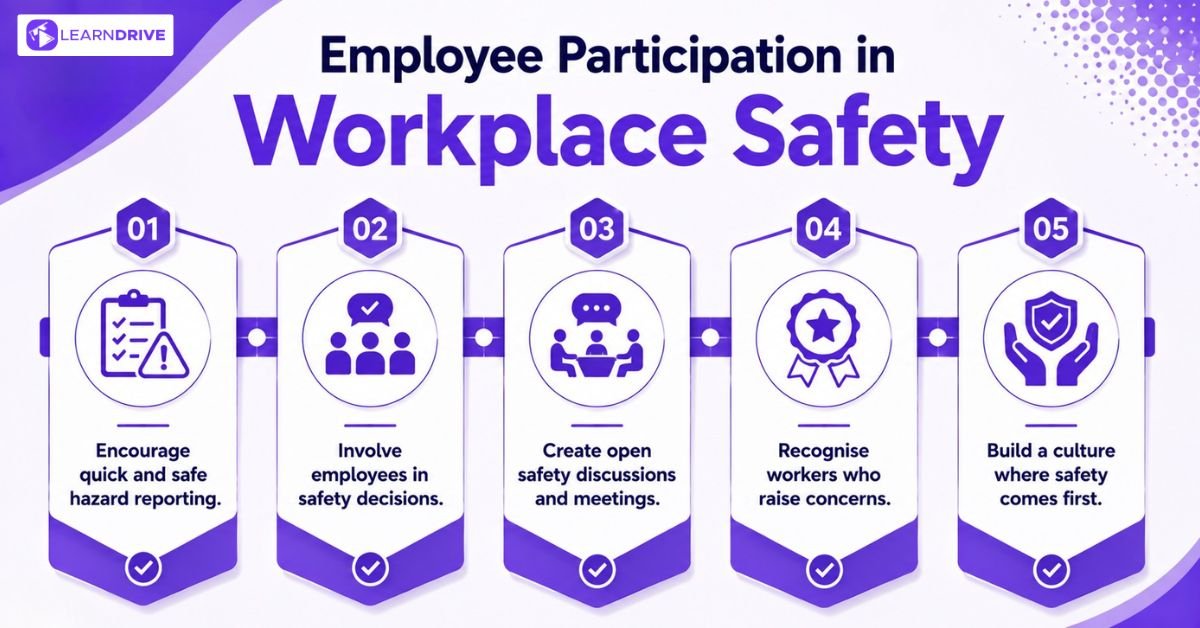
The success of a workplace safety programme often depends on how actively employees participate and engage. Without their involvement, even well-designed safety plans can end up existing only on paper rather than effectively protecting staff.
1. Encouraging Hazard Reporting
Workers notice hazards long before management does, simply because they are the ones closest to the work.
Encouraging this means:
1. Making reporting quick and free of unnecessary paperwork.
2. Removing fear of blame from the reporting process.
3. Acknowledging reports promptly so employees see their input matters.
2. Involving Employees in Safety Decisions
Safety measures designed without worker input often miss the practical realities of the job.
This can involve:
1. Including frontline staff in risk assessments.
2. Asking for feedback before rolling out new procedures.
3. Running regular safety meetings where concerns can be raised openly.
3. Building a Strong Safety Culture
A genuine safety culture is not built from posters and policies alone. It comes from consistent behaviour reinforced from the top down.
This includes:
1. Leadership visibly prioritising safety over speed.
2. Recognising employees who raise concerns rather than penalising them.
3. Treating near misses as learning opportunities rather than embarrassments to bury.
A workplace where people feel comfortable speaking up is also one less likely to develop the kind of unresolved tension that leads to workplace conflict down the line.

Regulatory Compliance for Workplace Hazard Prevention
Following workplace hazard prevention regulations in the UK is mandatory. These rules provide the foundation for all safety strategies and ensure that measures are effective in protecting employees and the organisation.
1. Health and Safety at Work etc. Act 1974
This Act is the foundation of UK workplace safety law, and it applies across virtually every industry and hazard type.
Its core principle is simple. Employers must protect the health, safety, and welfare of their employees, while employees are required to take reasonable care of themselves and others affected by their actions.
2. Management of Health and Safety at Work Regulations 1999
These regulations build directly on the 1974 Act, adding specific requirements around how risks are actually managed day to day.
Key requirements include:
1. Carrying out suitable and sufficient risk assessments.
2. Appointing competent people to oversee health and safety.
3. Providing clear information and training to employees.
3. Control of Substances Hazardous to Health (COSHH)
COSHH specifically targets chemical and biological hazards, requiring employers to assess and control exposure before harm occurs.
This involves:
1. Identifying hazardous substances present in the workplace.
2. Carrying out COSHH risk assessments.
3. Providing appropriate PPE and control measures.
Businesses that want a deeper understanding of this regulation, and how to apply it correctly, often benefit from dedicated COSHH training, which covers the practical side of staying compliant.
Monitoring and Reviewing Control Measures
Regularly monitoring and reviewing control measures is what distinguishes a safety programme that truly protects employees from one that merely looks effective. As hazards evolve over time, the measures used to manage them must also adapt to remain effective.
1. Conducting Regular Workplace Inspections
Inspections catch problems before they become incidents, provided they happen consistently rather than only after something goes wrong.
Effective inspections involve:
1. Scheduled walkthroughs covering the entire workplace.
2. Checking that existing controls are still functioning as intended.
3. Documenting findings and assigning clear follow-up actions.
2. Reviewing and Updating Risk Assessments
A risk assessment is not a document you write once and file away. It needs to evolve alongside the workplace itself.
Reviews should happen when:
1. New equipment or processes are introduced.
2. An incident or near miss reveals a gap in existing controls.
3. A set period of time has passed since the last review.
3. Learning From Accidents and Near Misses
Every incident, no matter how minor, carries a lesson worth capturing before it repeats itself.
This means:
1. Investigating the root cause rather than just the immediate event.
2. Sharing findings across the team, not just filing them away.
3. Updating procedures based on what was actually learned.
Near misses deserve particular attention here, since they represent free warnings, incidents that could have escalated into a serious workplace accident but didn’t this time.
Leveraging Technology for Workplace Hazard Prevention

Using technology for workplace hazard prevention has transformed safety management from reactive paperwork into proactive, real-time monitoring. Modern tools allow organisations to identify risks faster, track safety measures continuously, and respond to potential hazards before they become incidents.
1. Digital Risk Assessment Tools
Digital tools make risk assessments faster to complete and far easier to keep updated as conditions change.
These typically offer:
1. Templates that standardise the assessment process across sites.
2. Instant access to previous assessments for comparison.
3. Automatic reminders when a review is due.
2. Safety Monitoring Systems
Monitoring systems track conditions continuously, catching issues that a periodic manual check might easily miss.
Examples include:
1. Sensors tracking air quality, noise, or temperature.
2. Wearable devices monitoring worker fatigue or exposure levels.
3. Automated alerts when readings move outside safe limits.
3. Online Safety Training Platforms
Training no longer needs to happen only in a classroom, and that flexibility has made consistent training far easier to maintain.
Benefits include:
1. On-demand access for new starters or refresher courses.
2. Consistent content delivered the same way every time.
3. Built-in assessments confirming the training actually landed.
4. Automated Reporting and Safety Alerts
Speed matters when a hazard is identified, and automated systems remove the delay that manual reporting often introduces.
This includes:
1. Instant incident logging from mobile devices.
2. Real-time alerts reaching the right people immediately.
3. Faster response times when something goes wrong.
Technology like this fits naturally into the wider shift toward a modern workplace, where digital tools and human judgement work together rather than one replacing the other.