

Amidst the ongoing discussions about workplace safety, health, and equality, there is a crucial yet often neglected aspect that demands attention: menstrual hygiene. Around the world, countless individuals confront the harsh reality of period poverty, grappling with the challenge of obtaining essential menstrual products and resources. This pervasive problem affects your physical health, education, economic empowerment, and social well-being. Now is the moment to face this challenge with determination and unite to eliminate period poverty.
In this article, learn about the importance of menstrual hygiene, uncover the effects of period poverty, and learn how to take action against this widespread problem. Take action against period poverty and help us empower individuals to reach their full potential, free from the limitations of menstruation. Join our cause today.
What is Period Poverty?
Period poverty is a pressing issue that affects many individuals who lack access to menstrual products, proper sanitation facilities, and education on menstrual hygiene. Sanitary pads, tampons, and menstruation cups are hard to get for many women and girls. This is particularly true for people who cannot afford or receive these necessities. Limited access to menstrual products can lead to unhygienic and unsafe practices during menstruation, causing potential social and emotional distress.
Experience the life-altering effects of period poverty. Don’t compromise your health by resorting to makeshift alternatives like rags, paper, or leaves. It may cause infections and reproductive issues. Stay safe and prioritise your health by using proper sanitary materials. Experience the discomfort, embarrassment, and disruption of daily activities no more! Effective menstrual management is key to living your best life, whether attending school or working.
Period poverty is interwoven with other social issues, including poverty, gender inequality, and inadequate access to education and healthcare. Unfortunately, menstruation may promote societal stigmas that hurt chances and well-being. Join the movement to combat period poverty by advocating for affordable and accessible menstrual products, improving sanitation facilities, promoting menstrual hygiene education, and destigmatising menstruation as a natural and normal bodily function. We can help individuals impacted by this critical problem together.
Breaking Stigma: Why Menstrual Hygiene Matters
Menstruation is a perfectly normal biological function that affects over half of the global population. Even though menstruation is common, it is still shamed in many countries. People don’t know enough about it, have adequate access to sanitary products, or receive enough support managing their menstrual health. This article explains menstrual cleanliness’s importance.

Menstruation and Health
Good menstrual hygiene keeps women healthy and happy. Proper monthly hygiene, like using clean and safe sanitary products, can help avoid infections, pain, and other health problems that can happen during your period. Good menstrual cleanliness is also important for general sexual health and can help figure out if there are any problems with the monthly cycle.
Education and Empowerment
Teaching women and girls about period health is a key part of giving them more power. We can break the quiet about menstruation by giving correct and complete information about it. Educating individuals about menstrual hygiene, such as how to use products, throw them away, and stay clean, empower them to take responsibility for their period health.
Social Impact
Inadequate menstrual health control can have far-reaching social effects. Women may struggle to attend school, work, or socialise without affordable, hygienic menstruation supplies. People who can’t afford menstrual products add to the problems that poor groups already have to deal with. By taking care of people’s needs for monthly health, we can support gender equality and make sure that everyone has the same chances in life.
Breaking Taboos and Challenging Taboos
There is still a taboo around menstruation in many countries, which keeps spreading myths, false information, and shame. This reputation hurts women and girls mentally, psychologically, and socially, making them feel ashamed, alone, and like they don’t measure up. To establish an environment where individuals may communicate freely about menstruation without judgment or harsh treatment, we must break the silence and challenge societal taboos.
Policy and Advocacy
Recognising the importance of menstruation health, governments and NGOs worldwide have implemented legislation and initiatives to aid bleeding persons. These activities aim to provide affordable, high-quality menstrual products, educate women about period health, and end menstruation-related prejudice.

Importance of Personal Hygiene During Menstruation
Maintaining personal hygiene during menstruation is crucial for several important reasons:
1. Health and Infection Prevention
Good menstrual hygiene helps prevent infections in the reproductive and urinary tract. This includes changing sanitary products regularly—every 4-6 hours for pads and every 4-8 hours for tampons. Using clean, safe sanitary products and washing hands before and after changing them can significantly reduce the risk of bacterial growth and infections, such as bacterial vaginosis or yeast infections.
2. Comfort and Odor Control
Maintaining cleanliness during menstruation also contributes to comfort and odor control. Menstrual fluid can create an environment that may foster bacterial growth, leading to unpleasant odors. Regular washing with mild soap and water, especially during menstruation, can help manage odor and keep the genital area comfortable.
3. Psychological Well-being
Hygiene practices are closely tied to a person’s sense of well-being and confidence. Poor menstrual hygiene can affect a woman’s self-esteem and anxiety levels, particularly during adolescence. Maintaining good hygiene helps promote a positive self-image and can reduce anxiety associated with odor and leakage.
4. Social and Cultural Impact
In many cultures, there’s a significant social and cultural importance attached to menstrual hygiene. Inadequate practices can lead to stigma and social isolation, impacting a woman’s ability to attend school, work, or participate in community activities. Proper education and awareness about menstrual hygiene can help combat this stigma, empowering women and girls to manage their menstruation with dignity.
5. Long-term Reproductive Health
Consistent and proper menstrual hygiene can also affect long-term reproductive health. Neglecting menstrual hygiene can lead to severe conditions such as pelvic inflammatory disease (PID), which can affect fertility. Ensuring that sanitary products are changed regularly and that the genital area is kept clean helps safeguard reproductive health.
Understanding and implementing good menstrual hygiene practices are fundamental to promoting health, dignity, and equality for women and girls around the world. It’s not just a personal health issue but a public health concern with broader societal implications.
To learn more about personal hygiene, take our exclusive course– Personal Hygiene Course
Menstrual Health Management: 5 Steps Toward a Recognised Right

Menstrual Health Management sheds light on the significance of menstrual hygiene as a human right and addresses the challenges faced by individuals, particularly in developing countries, in accessing adequate menstrual products and facilities. The article emphasises the need for collective efforts to break the stigma, ensure menstrual equity, and improve the overall well-being of menstruating individuals.
1. Raising Awareness and Breaking Stigma
The first step in achieving menstrual health management as a recognised right is to raise awareness about menstruation and break the stigma surrounding it. This involves promoting open conversations, challenging taboos, and dispelling myths and misconceptions associated with menstruation. By fostering a supportive and inclusive environment, individuals can feel more comfortable discussing menstrual hygiene needs and seeking appropriate resources and support.
2. Providing Access to Menstrual Products
Access to affordable and safe menstrual products is crucial for menstrual health management. Governments, NGOs, and other stakeholders should work together to ensure that individuals have access to a range of menstrual products, including sanitary pads, tampons, menstrual cups, or other suitable alternatives. This requires addressing affordability issues, improving distribution networks, and implementing policies to eliminate sales taxes on menstrual products.
3. Enhancing Sanitation and Facilities
Menstrual health management also necessitates access to clean and hygienic sanitation facilities. Schools, workplaces, and public spaces should provide adequate toilet facilities equipped with clean water, soap, and private disposal options. In areas with limited infrastructure, innovative solutions such as community-led initiatives, mobile toilets, and sustainable waste management systems can be explored to ensure safe and dignified menstrual hygiene practices.
4. Menstrual Health Education
Comprehensive menstrual health education is essential to empower individuals with the knowledge and skills necessary to manage their periods effectively. Schools and educational institutions should incorporate menstrual health education into their curricula, covering topics such as menstrual hygiene, reproductive health, and menstrual cycle awareness. This education should be inclusive and address the needs of all genders, promoting a broader understanding of menstruation as a natural and normal process.
5. Policy and Legal Frameworks
Developing and implementing supportive policy and legal frameworks is crucial for recognising menstrual health management as a right. Governments should enact legislation that safeguards the rights of menstruating individuals, ensuring non-discrimination, access to menstrual products, and provision of appropriate facilities. International bodies and organisations should advocate for the inclusion of menstrual health management in global agendas and work toward securing funding for menstrual hygiene programs in developing countries.
Supporting Menstrual Hygiene Initiatives
It is essential to support menstrual hygiene efforts in order to help people who menstruate overcome obstacles and advance menstrual equality on a global scale. These programs include a wide variety of efforts, from expanding the availability of menstruation products and education to combating stigma and pushing for regulatory reform. Supporting these projects helps individuals, communities, organisations, and governments improve the world.
Donations and Product Distribution
Contributing money or menstruation products to groups that provide them to those in need is one way to support efforts to improve access to menstrual hygiene. This may aid in the fight against period poverty by ensuring that those without financial means have access to the menstrual supplies they need. You may help by giving to one of the many charities, nonprofits, or worldwide projects that are striving to provide menstruation products to underserved populations.
Menstrual Education and Awareness Campaigns
Promoting menstrual education and awareness campaigns is critical in ending the taboo and discrimination that many women face because of their period. People may help by spreading factual information about periods online, starting honest discussions, and debunking common beliefs. Promoting menstrual health education may also include contributing to organisations that provide seminars, training sessions, and awareness campaigns.
Advocacy and Policy Changes
Changes in Policy and Advocacy Work Advocacy work is essential to improving menstrual equality and bringing about systemic change. Promoting menstruation hygiene as a human right and incorporating it into national agendas may be aided by supporting groups and campaigns that lobby for legislative reforms. There has to be a push for comprehensive menstrual health education in schools and workplaces, as well as for the elimination of levies on period items.
Sustainable Menstrual Solutions
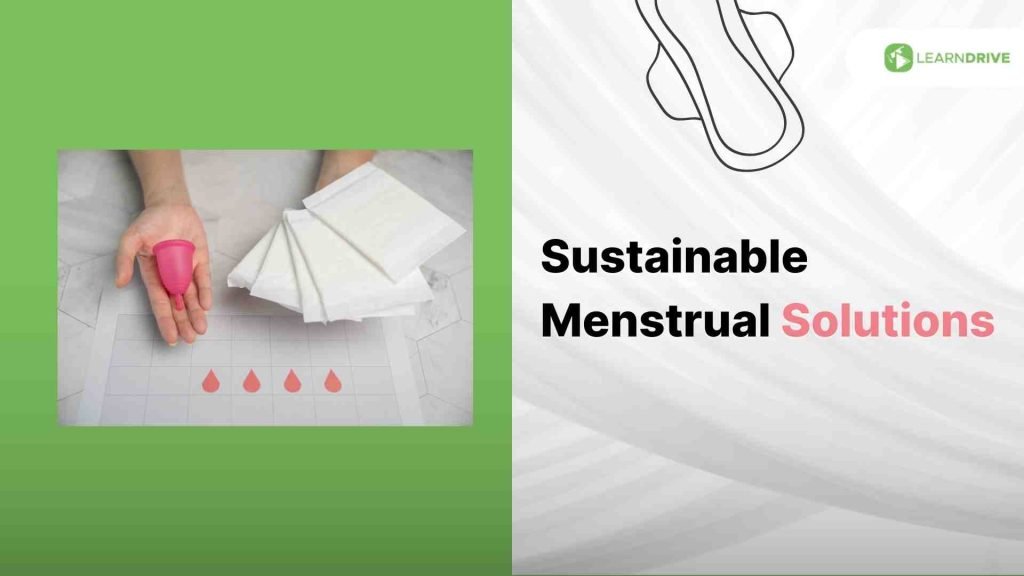
Positive effects on people’s and the planet’s health may result from efforts to improve access to environmentally friendly feminine hygiene products. menstruation cups and cloth pads are two examples of reusable menstruation items that may be promoted in this way since they cut down on waste and save money in the long run. Sustainable practices include funding programs that educate people on how to properly dispose of menstruation products without harming the environment.
Partnerships and Collaborations
Menstrual hygiene programs may have a greater effect when they work in partnership with local organisations, community groups, and governments. Stakeholders may tackle the many issues surrounding menstruation hygiene by collaborating on solutions, sharing information, and pooling resources. Fundraising together, exchanging information, and coordinating advocacy are all examples of ways in which people may work together toward a similar objective.

