NOTICEWe're upgrading our learning platform. You may notice temporary changes or brief interruptions while the migration is completed. Thank you for your patience! For any urgent query, contact info@learndrive.org
NEWThe Complete AI Skills Bundle 2026 — 9 courses, 9 CPD certificates, one price. Explore the bundle →
Best Jobs for People with ADHD

20 Best Jobs for People with ADHD: Helpful Career Guide

You finish a difficult task with confidence, then lose track of three small follow-ups. By Friday, the work you enjoyed feels buried beneath reminders, interruptions and unfinished administration. Would a different career help, or would a different working environment make the bigger difference?


The best jobs for people with ADHD match individual interests, skills and support needs. Web development, skilled trades, design and gardening offer different possibilities, but no occupation suits everyone. A clear routine might help one person, while another prefers movement and changing tasks.


This article compares ten careers, their published salaries and realistic entry routes. You will also find questions to ask employers before accepting an offer or paying for training. The aim is to help you choose work you can sustain.


Table of Contents

What Makes a Career Fit for People with ADHD?
 

What Makes a Career Fit for People with ADHD


ADHD stands for attention deficit hyperactivity disorder. It is a neurodevelopmental condition that can affect attention, activity levels and impulse control. The NHS explains adult ADHD through difficulties such as distraction, organising time and finishing tasks.

Those difficulties do not create a single career profile. Someone may enjoy detailed technical work but struggle when colleagues constantly interrupt. Another person might value a predictable task sequence yet find long, unstructured meetings exhausting.

Here, “ADHD-friendly jobs” means work whose conditions fit your needs, with appropriate support. It does not mean a clinically approved list of professions. Your abilities, qualifications and preferences remain central to the decision.

What Makes a Job a Good Fit

Start with what you do throughout the day. An attractive job title tells you little about its paperwork, interruptions or supervision. Ask whether you enjoy the routine responsibilities as well as the occasional exciting project.

Consider how the employer organises work, too. Written priorities, manageable deadlines and useful feedback may matter more than whether the role sounds creative. Acas guidance on neurodiversity emphasises that strengths and challenges differ between individuals.

Consider your balance of structure and independence. You might want freedom over how you complete a task, alongside a clear agreement about when it finishes. Neither constant change nor rigid repetition should be assumed to suit you.

Only £1  £249
All-Access Course Bundle
Unlock 100+ CPD-accredited courses for just £1. Industry-recognised certificates. Learn at your own pace.

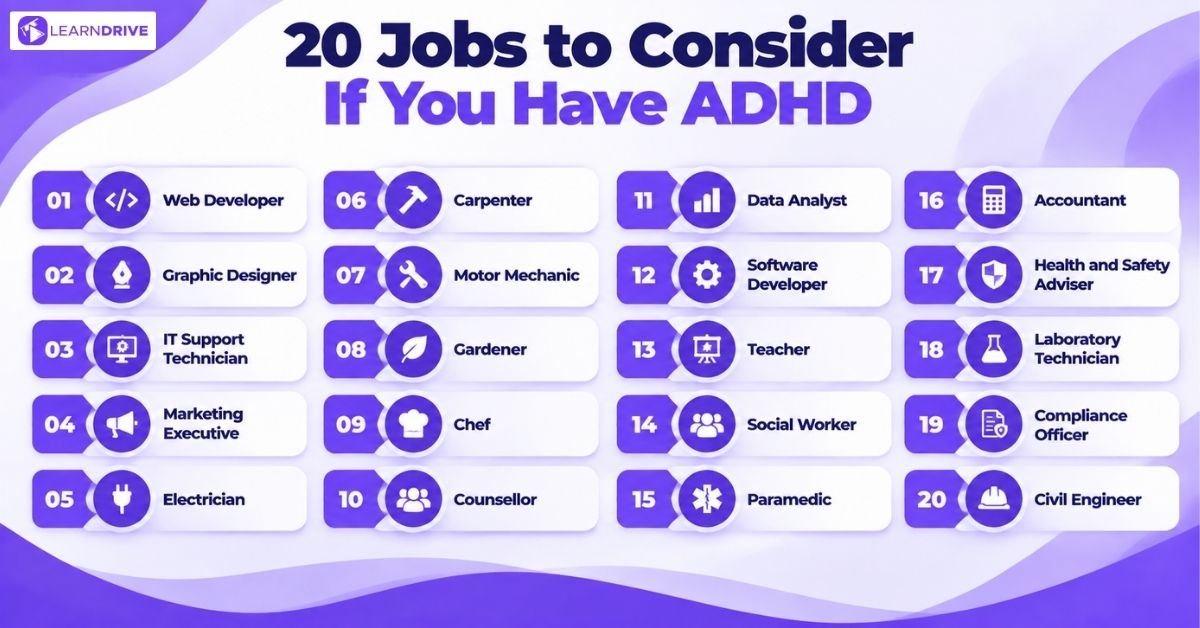
20 Jobs to Consider If You Have ADHD


20 Jobs to Consider If You Have ADHD


These options cover creative, technical, practical and people-focused work. Their attraction comes from the tasks involved, rather than assumptions about ADHD strengths. Compare the demands with your experience before deciding which careers deserve further investigation.

1. Web Developer

 Web developers create and maintain websites, applications and digital platforms using programming languages and development tools. Their work involves building features, solving technical problems and improving how users interact with digital products.

The role combines creativity with logical thinking. Developers often move between planning, coding, testing and fixing issues, which creates a mix of focused tasks and problem-solving challenges.

Why This Job Might Fit You

Web development may suit people with ADHD who enjoy exploring ideas, solving problems and working towards clear outcomes. Building a website or feature can provide visible progress, which some learners find motivating.

The role also offers opportunities to break large projects into smaller tasks. However, developers still need systems for managing deadlines, documentation and repetitive testing.

 Salary: £27,000 to £60,000 a year (National Careers Service)

Requirements:

  • Knowledge of HTML, CSS and JavaScript

  • Understanding of programming concepts and web technologies

  • Problem-solving and analytical thinking skills

  • Ability to test, debug and improve websites

  • Routes through university, apprenticeships or self-directed learning

2. Graphic Designer

Graphic designers turn ideas into visual communication by creating designs for brands, websites, advertisements, packaging and digital content. They combine creativity with technical skills to make information easier to understand and more engaging.

The work often involves developing concepts, choosing visual styles and improving designs based on feedback. A designer may work on different projects throughout the week, from social media graphics to complete brand identities.

Why This Job Might Fit You

Creative projects can interest people with ADHD who enjoy exploring ideas and working through visual challenges. Seeing a concept develop into a finished design can provide motivation and a clear sense of achievement.

The variety of clients and projects may reduce the feeling of doing the same task repeatedly. However, meeting deadlines, managing revisions and organising files remain important parts of professional design work.


Salary: £25,000 to £40,000 a year (National Careers Service)

Requirements:

  • Understanding of design principles and visual communication

  • Knowledge of design software such as Adobe Creative Cloud

  • Creative thinking and attention to detail

  • Ability to manage feedback and revisions

  • Portfolio showing completed design projects


3. IT Support Technician

IT support technicians help people solve computer, software and network problems. They investigate technical issues, install systems, maintain equipment and provide guidance when users experience difficulties.

The work combines technical problem-solving with communication. Some problems can be solved quickly, while others require investigation, testing and careful documentation before a solution is found.

Why This Job Might Fit You

Troubleshooting can be engaging for people with ADHD who enjoy finding answers to practical problems. Each support request can bring a different challenge, creating variety throughout the working day.

The immediate feedback from fixing an issue can feel rewarding. However, managing several requests, following procedures and keeping accurate records requires strong organisation.

Salary: £24,000 to £36,000 a year (National Careers Service)

Requirements:

  • Understanding of computer hardware, software and networks

  • Strong troubleshooting and problem-solving ability

  • Clear communication and customer-service skills

  • Ability to document problems and solutions accurately

  • Entry through college, apprenticeships or trainee positions

4. Marketing Executive

Marketing executives help organisations promote products, services and brands through campaigns, research and communication strategies. Their responsibilities can include creating content, analysing customer behaviour and measuring campaign performance.

The work often combines creativity with planning. One project may involve developing ideas, while another focuses on reviewing data and improving future campaigns.

Why This Job Might Fit You

Marketing can appeal to people with ADHD who enjoy creativity, new ideas and changing priorities. Working across different campaigns may provide the variety that some people find motivating.

The opportunity to experiment and measure results can make progress easier to see. However, marketing still requires managing deadlines, reports and multiple tasks at the same time.

Salary: £23,000 to £50,000 a year (National Careers Service)

Requirements:

  • Strong communication and writing skills

  • Understanding of marketing principles

  • Ability to analyse campaign results

  • Creativity and problem-solving ability

  • Knowledge of digital marketing platforms

5. Electrician

Electricians install, repair and maintain electrical systems across homes, businesses and construction sites. Their work includes testing equipment, identifying faults and ensuring electrical installations meet safety requirements.

The career involves practical tasks, technical knowledge and careful attention to regulations. Each project can bring different challenges depending on the building, equipment and electrical systems involved.

Why This Job Might Fit You

Hands-on work may suit people with ADHD who prefer practical activities and visible results. Completing an installation or solving a fault creates a direct connection between effort and outcome.

Working outside a traditional office environment can also provide more movement during the day. However, accuracy and following safety procedures are essential because small mistakes can have serious consequences.

Salary: £26,000 to £45,000 a year (National Careers Service)

Requirements:

  • Approved electrical training or apprenticeship

  • Understanding of electrical safety regulations

  • Practical problem-solving skills

  • Ability to read technical information

  • Attention to detail

6. Carpenter

Carpenters create, install and repair wooden structures such as furniture, doors, flooring and building frameworks. Their work combines traditional craftsmanship with modern tools and construction methods.

Many projects involve planning, measuring and completing tasks through clear stages. The finished result is often visible, whether it is a fitted kitchen, staircase or custom-made product.

Why This Job Might Fit You

Carpentry may interest people with ADHD who enjoy creating physical products and working through practical challenges. Seeing progress from raw materials to a completed project can provide strong motivation.

The variety of projects can keep work interesting, but accurate measurements, planning and safety checks are still essential for consistent results.

Salary: £24,000 to £40,000 a year (National Careers Service)

Requirements:

  • Knowledge of woodworking techniques

  • Ability to use tools safely

  • Understanding of measurements and drawings

  • Practical problem-solving skills

  • Training through apprenticeships or workplace experience

7. Motor Mechanic

Motor mechanics diagnose vehicle problems, carry out repairs and maintain cars, vans and other vehicles. Modern mechanics use both traditional repair skills and digital diagnostic equipment to identify faults.

The work involves investigating problems, testing solutions and explaining repairs to customers. New vehicle technology also means mechanics continue learning throughout their careers.

Why This Job Might Fit You

Finding the cause of a vehicle problem can be attractive to people with ADHD who enjoy investigation and practical challenges. The process of testing, repairing and seeing the result can feel rewarding.

Different vehicles and repair situations create variety. However, accurate records, safety checks and attention to detail remain important parts of the job.

Salary: £22,000 to £42,000 a year (National Careers Service)

Requirements:

  • Understanding of vehicle systems

  • Ability to use diagnostic tools

  • Mechanical problem-solving skills

  • Attention to safety procedures

  • Technical training or apprenticeship experience

8. Gardener

Gardeners maintain outdoor spaces by planting, pruning, improving landscapes and caring for plants. They work in private gardens, public areas, parks and commercial environments.

The work changes with seasons and locations. Tasks can include designing planting areas, maintaining lawns, managing equipment and responding to different outdoor conditions.

Why This Job Might Fit You

Outdoor work may appeal to people with ADHD who prefer movement, practical activities and changing environments. Working with plants can provide visible progress and a connection between daily effort and results.

Independent tasks can offer flexibility, but gardeners still need planning skills for schedules, equipment and customer expectations.

Salary: £24,000 to £32,000 a year (National Careers Service)

Requirements:

  • Knowledge of plants and gardening techniques

  • Ability to use outdoor equipment safely

  • Physical fitness

  • Planning and organisation skills

  • Training through courses or practical experience

9. Chef

Chefs prepare meals, manage food preparation and maintain quality standards in restaurants, hotels and catering environments. Their work involves cooking techniques, organisation and teamwork.

Professional kitchens can move quickly, with multiple orders and deadlines happening at the same time. Chefs must balance creativity with food safety, consistency and customer expectations.

Why This Job Might Fit You

A fast-paced kitchen can appeal to people with ADHD who enjoy active environments and immediate results. Completing dishes and responding to changing situations can create a sense of achievement.

Creativity plays an important part in cooking, but success also depends on preparation, timing and following established processes.

Salary: £22,000 to £40,000 a year (National Careers Service)

Requirements:

  • Knowledge of food preparation techniques

  • Understanding of hygiene and safety standards

  • Ability to work under pressure

  • Teamwork and communication skills

  • Training through college, apprenticeships or kitchen experience

10. Counsellor

Counsellors support people through conversations that help them explore emotions, challenges and personal difficulties. They provide a confidential environment where clients can discuss concerns and work towards positive changes.

The profession requires patience, listening skills and emotional awareness. Alongside client sessions, counsellors also complete records, follow ethical guidelines and continue professional development.

Why This Job Might Fit You

Some people with ADHD may find counselling meaningful because it involves listening, understanding different perspectives and helping others through challenges. The structured nature of appointments can provide clear boundaries.

Emotional regulation and professional boundaries are essential. Supporting others requires preparation, training and the ability to maintain focus during sensitive conversations.

Salary: £25,000 to £48,000 a year (National Careers Service)

Requirements:


  • Recognised counselling qualification

  • Strong listening and communication skills

  • Understanding of confidentiality and professional ethics

  • Emotional resilience

  • Supervised practical experience

11. Data Analyst

Data analysts turn information into useful insights by collecting, organising and interpreting data. They help organisations understand trends, measure performance and make better decisions using reports, dashboards and analysis tools.

The work combines problem-solving with technology. A typical day may involve cleaning data, finding patterns, creating visual reports and explaining findings to colleagues who may not have a technical background.

Why This Job Might Fit You

Working with data can appeal to people with ADHD who enjoy investigating problems and discovering patterns. Projects often involve clear goals, which can make progress easier to track.

The variety of questions that analysts solve may keep the work interesting. However, managing datasets, checking accuracy and documenting findings require patience and organisation.

Salary: £25,000 to £50,000 a year (National Careers Service)

Requirements:

  • Knowledge of data analysis tools such as Excel, SQL or Python

  • Analytical and problem-solving skills

  • Ability to interpret information and identify trends

  • Attention to accuracy and detail

  • Training through courses, degrees or workplace experience

12. Software Developer

Software developers design, build and maintain computer programmes, websites and digital applications. They write code, test solutions and improve software based on user needs.

The career involves continuous learning because programming languages, frameworks and development practices regularly change. Developers often work on projects where problems need creative and technical solutions.

Why This Job Might Fit You

Software development may interest people with ADHD who enjoy building things and solving complex challenges. Completing features or fixing problems can provide a clear sense of achievement.

The ability to work deeply on interesting projects can be motivating. At the same time, managing deadlines, reviewing code and maintaining documentation are important parts of the job.

Salary: £30,000 to £75,000 a year (National Careers Service)

Requirements:

  • Knowledge of programming languages

  • Logical thinking and problem-solving ability

  • Understanding of software development processes

  • Ability to test and improve code

  • Practical experience through projects or training

13. Teacher

Teachers help students develop knowledge, skills and confidence across different subjects. Their work includes planning lessons, explaining concepts, assessing progress and supporting learners.

The profession combines communication, creativity and organisation. Teachers adapt their approach depending on student needs and create learning environments that encourage development.

Why This Job Might Fit You

Teaching can suit people with ADHD who enjoy explaining ideas, interacting with others and creating engaging activities. The daily variety of lessons and student interactions can make the work feel dynamic.

Strong organisation is still essential because teachers manage planning, marking and classroom responsibilities. Building reliable systems can help handle these demands effectively.

Salary: £34,000 to £53,000 a year (National Careers Service)

Requirements:

  • Qualified Teacher Status (QTS)

  • Knowledge of the subject being taught

  • Communication and leadership skills

  • Ability to plan and organise lessons

  • Understanding of safeguarding responsibilities

14. Social Worker

Social workers support individuals and families facing personal, social and practical challenges. They assess situations, provide guidance and connect people with appropriate services.

The work requires understanding different circumstances and making decisions that support wellbeing. Social workers may work with children, adults, families or vulnerable groups.

Why This Job Might Fit You

Helping people solve real-life problems can be meaningful for people with ADHD who value variety and human connection. Every situation can bring different challenges and conversations.

The emotional side of the profession should be considered carefully. Maintaining boundaries, completing records and managing complex cases require focus and resilience.

Salary: £32,000 to £48,000 a year (National Careers Service) 

Requirements:

  • Social work degree approved by Social Work England

  • Strong communication skills

  • Ability to assess situations and make decisions

  • Emotional resilience

  • Commitment to professional standards

15. Paramedic

Paramedics provide emergency medical care and respond to urgent situations outside hospital settings. They assess patients, provide treatment and make quick decisions during emergencies.

The work environment can change rapidly, from road incidents to medical emergencies at homes or public locations. Strong teamwork and communication are essential during every call.

Why This Job Might Fit You

Some people with ADHD may enjoy the active nature of emergency work and the need to respond to changing situations. The variety of cases can create a strong sense of purpose.

The role also demands concentration, emotional control and following medical procedures carefully. Understanding these expectations is important before choosing this career.

Salary: £32,000 to £48,000 a year (National Careers Service) 

Requirements:

  • Approved paramedic science degree

  • Registration with the Health and Care Professions Council (HCPC)

  • Ability to make decisions under pressure

  • Strong communication skills

  • Physical and emotional resilience

16. Accountant

Accountants help organisations manage finances by preparing reports, analysing information and ensuring financial records are accurate. They work across businesses, public organisations and professional services.

Although numbers are central to the profession, modern accounting also involves technology, communication and problem-solving. Many accountants specialise in areas such as tax, auditing or management accounting.

Why This Job Might Fit You

Accounting may appeal to people with ADHD who enjoy solving structured problems and working towards clear financial goals. Completing tasks with measurable outcomes can provide motivation.

The profession requires consistency because accuracy and deadlines matter. Using digital tools and organised workflows can support effective working.

Salary: £25,000 to £60,000 a year (National Careers Service) 

Requirements:

  • Understanding of accounting principles

  • Numerical and analytical skills

  • Attention to detail

  • Knowledge of accounting software

  • Professional qualifications for progression

17. Health and Safety Adviser

Health and safety advisers help organisations reduce workplace risks and maintain safe working environments. They inspect workplaces, provide guidance and support compliance with safety regulations.

The role combines investigation, communication and practical problem-solving. Advisers work with employees and managers to identify hazards and improve workplace procedures.

Why This Job Might Fit You

Health and safety work can appeal to people with ADHD who enjoy identifying problems and creating practical solutions. Workplace visits and different situations can provide variety.

The career also requires careful documentation and attention to regulations. Balancing practical action with administrative work is an important part of success.

Salary: £26,000 to £48,000 a year (National Careers Service) 

Requirements:

  • Understanding of workplace safety regulations

  • Risk assessment skills

  • Communication and training abilities

  • Attention to detail

  • Relevant health and safety qualifications

18. Laboratory Technician

Laboratory technicians support scientific research and testing by preparing samples, operating equipment and recording results. They work in healthcare, research, education and industrial laboratories.

The job combines practical tasks with scientific knowledge. Accuracy matters because results can influence research findings, product development or medical decisions.

Why This Job Might Fit You

Laboratory work may suit people with ADHD who enjoy structured experiments and practical problem-solving. Following procedures while investigating results can create a focused working environment.

The position requires careful attention because small mistakes can affect outcomes. Developing reliable routines can help manage detailed tasks.

Salary: £24,000 to £31,000 a year (National Careers Service) 

Requirements:

  • Scientific knowledge and laboratory skills

  • Ability to follow procedures accurately

  • Attention to detail

  • Understanding of health and safety

  • Relevant qualifications or technical training

19. Compliance Officer

Compliance officers help organisations follow laws, regulations and internal policies. They review processes, identify risks and support businesses in meeting required standards.

The work involves investigation, documentation and communication. Compliance professionals often work across industries including finance, healthcare and technology.

Why This Job Might Fit You

Compliance can appeal to people with ADHD who enjoy investigating issues and finding ways to improve systems. Reviewing information and solving problems can create meaningful challenges.

The career also involves detailed reports and deadlines. Strong organisation methods are important for managing documentation and regulatory requirements.

Salary: £27,000 to £46,000 a year (Prospects) 

Requirements:

  • Understanding of regulations and business processes

  • Analytical thinking skills

  • Ability to review documents and identify risks

  • Strong communication skills

  • Relevant industry knowledge or qualifications

20. Civil Engineer

Civil engineers design, develop and maintain infrastructure such as roads, bridges, buildings and water systems. They combine engineering knowledge with planning and problem-solving to create practical solutions.

Projects often involve teamwork between engineers, architects, contractors and government organisations. The work can range from designing structures to managing construction progress.

Why This Job Might Fit You

Engineering may appeal to people with ADHD who enjoy solving complex problems and working towards visible results. Large projects can provide clear goals and long-term challenges.

The profession requires planning, calculations and attention to technical details. Building systems for organisation can help manage complex responsibilities.

Salary: £29,000 to £63,000 a year (National Careers Service) 

Requirements:

  • Engineering degree or approved training route

  • Strong mathematical and analytical skills

  • Problem-solving ability

  • Understanding of engineering principles

  • Ability to work with technical plans and specifications

UK Jobs For People with ADHD: Work Area and  Salaries at a Glance


Job

Salary Range

Main Work Area

Web Developer

£27,000–£60,000

Websites and digital applications

Graphic Designer

£25,000–£40,000

Visual design and branding

IT Support Technician

£24,000–£36,000

Technical support and troubleshooting

Marketing Executive

£23,000–£50,000

Campaigns and customer engagement

Electrician

£26,000–£45,000

Electrical systems and repairs

Carpenter

£24,000–£40,000

Woodwork and construction

Motor Mechanic

£22,000–£42,000

Vehicle repair and maintenance

Gardener

£24,000–£32,000

Plant care and outdoor spaces

Chef

£22,000–£40,000

Food preparation and hospitality

Counsellor

£25,000–£48,000

Mental health support and guidance

Data Analyst

£25,000–£50,000

Data analysis and business insights

Software Developer

£30,000–£75,000

Software and application development

Teacher

£34,000–£53,000

Education and student development

Social Worker

£32,000–£48,000

Community and individual support

Paramedic

£32,000–£48,000

Emergency healthcare services

Accountant

£25,000–£60,000

Finance and business reporting

Health and Safety Adviser

£26,000–£48,000

Workplace safety and compliance

Laboratory Technician

£24,000–£31,000

Scientific testing and research

Compliance Officer

£27,000–£46,000

Regulations and risk management

Civil Engineer

£29,000–£63,000

Infrastructure and construction projects

Learndrive.org
100+ Free
Courses
Enhance your skills — no spending required. CPDQE Accredited.

How to Find a Career That Works With Your ADHD Strengths

How to Find a Career That Works With Your ADHD Strengths

Choosing a career with ADHD is not only about finding a job that looks interesting. The daily tasks, working environment and level of independence can influence whether you feel motivated and able to perform well.

Some people may work better in careers that provide variety, creativity or problem-solving opportunities. Others may prefer clear expectations, structured routines and predictable responsibilities.

The right career depends on understanding your own working style. Consider the type of tasks that keep you engaged, the environment where you concentrate best and the support you may need to succeed.

Careers With Variety, Flexibility and Changing Responsibilities

Jobs with different tasks, challenges and situations can help some people stay engaged throughout the working day. Instead of repeating the same process continuously, these careers often involve adapting to new problems and priorities.

Roles with changing responsibilities can provide stimulation and opportunities to use different skills. However, variety works best when expectations remain clear and important tasks are organised properly.

Jobs That Encourage Creativity and Problem-Solving

Creative careers allow people to develop ideas, experiment with solutions and approach challenges from different angles. These roles often involve creating something new, improving existing work or finding alternative ways to solve problems.

For some people with ADHD, working on meaningful projects can increase motivation and focus. Careers in design, technology, marketing and content creation often involve this type of thinking.

Workplaces With Clear Goals, Support and Organisation

A supportive workplace can make a significant difference in career satisfaction. Clear instructions, realistic deadlines and regular feedback can help employees understand priorities and manage responsibilities.

A job does not need to be completely flexible to work well. Many people benefit from having a balance between independence and a structured system that helps them stay organised.

Careers Where Passion and Deep Focus Can Help You Succeed

Strong interest in a subject can make it easier to stay engaged with challenging tasks. Some people with ADHD experience periods of intense concentration when working on topics they find meaningful.

Careers that allow you to develop expertise in an area you genuinely enjoy may provide greater motivation over time. However, passion works best when combined with practical systems for managing deadlines and everyday responsibilities.

Which Jobs Can You Enter Without a Degree

Several jobs for people with ADHD without a degree involve vocational training, apprenticeships or developing practical evidence. The right route depends on the occupation and employer. Avoid treating “no university degree” as permission to skip essential training.

1. Apprenticeships and Practical Training

Explore apprenticeship opportunities in electrical work, carpentry, vehicle maintenance and horticulture. Compare entry requirements, workplace supervision and the qualification you will gain. Training arrangements differ across UK nations, so check the relevant local pathway.

2. Digital Careers Through Skills and Experience

Web development, design, IT support and marketing offer routes involving practical skills and experience. Choose learning that helps you produce something relevant to the role. Our guide to online courses that help you build job-relevant skills explores possible learning pathways.

3. Starting with No Experience

Focus on trainee, assistant and apprenticeship vacancies with clearly explained entry requirements. Use examples from volunteering, education or previous responsibilities to demonstrate transferable skills. A small completed project can also help you explain your interest honestly.

Are Remote Jobs Good for People with ADHD?

For many people, working from home sounds like a way to reduce distractions and create a more comfortable working environment. A flexible schedule, fewer office interruptions and greater control over your workspace can make some daily tasks easier to manage.

However, remote work is not automatically easier for everyone with ADHD. Staying focused without a structured environment, managing time independently and communicating clearly with a team can bring new challenges.

The right remote job depends on your working style, home setup and the support available from your employer. Understanding the benefits, possible difficulties and important questions to ask can help you decide whether remote work is the right fit.

Benefits and Challenges to Compare

Removing a commute may make the day easier to organise. Equally, household interruptions or limited space could make concentration harder. Web development is one occupation where home working may be possible, according to its National Careers Service profile.

Questions to Ask Before Accepting

Ask how the team agrees priorities, records decisions and handles urgent requests. Check whether meetings leave enough uninterrupted time to complete assignments. Find out who can help when instructions are unclear or several tasks compete.

What If You Want Lower Stress Work or Have Anxiety?

Searching for low-stress jobs for people with ADHD is understandable, but stress depends on the setting. A quiet office may still have unrealistic workloads. An active role may feel manageable when responsibilities and support are clear.


For jobs for people with ADHD and anxiety, consider both sets of needs. The NHS notes that anxiety can occur alongside ADHD. Predictable hours, manageable customer contact and supportive supervision are useful factors to investigate, rather than promised solutions.

How to Compare Jobs Before You Apply?

Choose two or three possibilities and read several real vacancies for each. Write down the duties that interest you and those needing further discussion. Use these questions during conversations with employers or people already doing the work:


  • What does an ordinary day involve, including administration?

  • How does the manager communicate priorities and deadlines?

  • How frequently do urgent requests interrupt planned work?

  • What training and supervision are available initially?

  • Which working conditions can be adjusted when needed?


Try a relevant project, taster session or supervised work experience where feasible. Assess how you feel during routine tasks, not just the introduction. This is a practical reflection exercise, not a diagnostic career test.


Keep a comparison record. Note the salary, hours, travel, training costs and responsibilities you still need clarified. This prevents an attractive headline from overshadowing conditions that affect your everyday working life.

What Workplace Support Is Available?

You may be able to improve your current role before changing careers. ADHD support at work should address the difficulties you experience in particular tasks. A useful discussion explains the barrier, its effect and a possible change.

1. Reasonable Adjustments

Examples include written instructions, a quieter workspace or help planning tasks. The NHS describes these workplace adjustments. In Great Britain, ADHD can meet the Equality Act disability definition when its effects meet the legal criteria.

2. Access to Work

GOV.UK describes Access to Work as support for getting or staying in work with a disability or health condition. Depending on individual needs, assistance may include specialist software or a job coach. It does not replace reasonable adjustments employers must legally make.

3. Differences Across the UK

Access to Work eligibility covers England, Scotland and Wales, with separate arrangements in Northern Ireland. Employment law also differs in Northern Ireland. Check the guidance relevant to your location rather than assuming one scheme applies everywhere.

Work Environments That Some People With ADHD May Find Difficult

A career can look suitable based on salary, qualifications or job title, but the everyday working environment often determines whether it feels manageable.

Certain workplace conditions may create more challenges for some people with ADHD, especially when tasks, expectations or communication styles do not match their needs.

This does not mean a particular profession is impossible. With the right support, strategies and adjustments, many people can succeed in different industries. The goal is to understand which conditions help you work effectively and which areas may require additional planning.

Jobs With Repetitive Tasks and Low Stimulation

Roles that involve completing the same tasks repeatedly with little variation may feel difficult for some people who prefer problem-solving, creativity or changing challenges. A lack of variety can make it harder to maintain motivation over long periods.

However, routine is not always negative. Some people prefer predictable tasks because they reduce uncertainty and make planning easier. The key factor is whether the work provides the right balance between structure and engagement.

Roles With Unclear Priorities and Limited Guidance

Unclear instructions, constantly changing expectations and limited feedback can make some workplace situations more challenging. Knowing what needs to be completed, when it is required and how success is measured can make daily responsibilities easier to manage.

A supportive workplace often provides clear communication, realistic deadlines and regular check-ins. These systems can help employees understand priorities and stay focused on important tasks.

How to Select a Career That Works for You
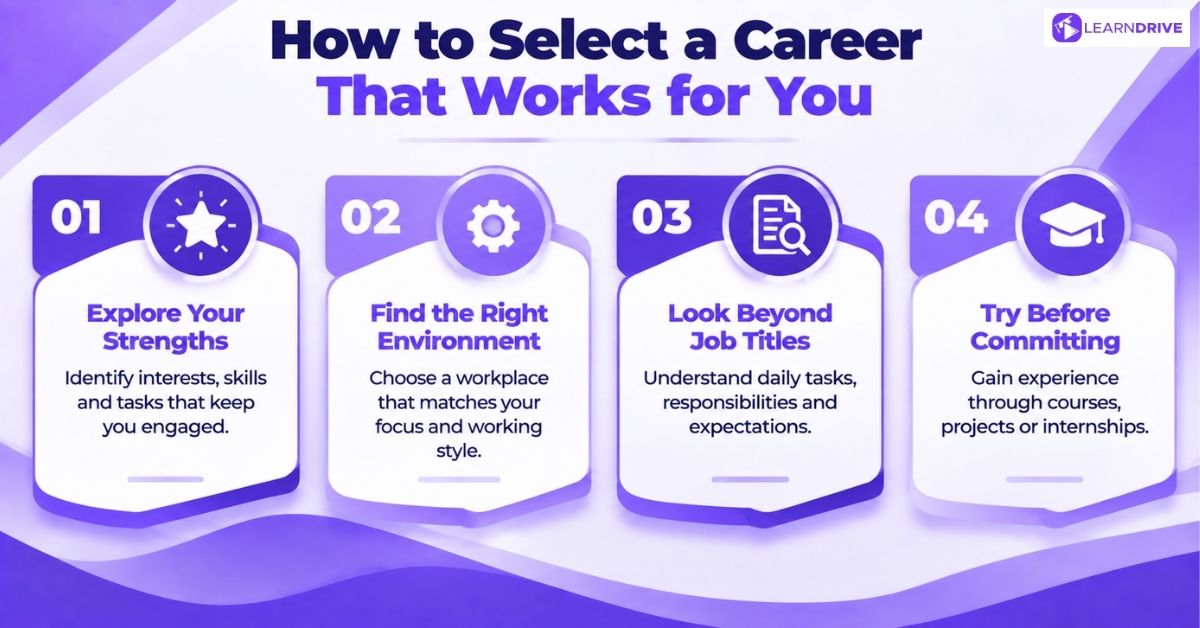
 

How to Select a Career That Works for You


Finding the right career involves more than choosing a job that matches your qualifications. Consider your interests, working preferences and the type of environment where you feel most productive.

A role that fits your natural working style can make challenges easier to manage and help you build confidence over time. Researching the reality of a job before committing can lead to better decisions.

Explore Your Interests, Abilities and Preferred Way of Working

Start by identifying the activities that naturally hold your attention. Think about subjects you enjoy learning, problems you like solving and tasks where you feel most engaged.

Your strengths may point towards certain career directions, but also consider areas where you need support. Understanding both your abilities and challenges can help you find realistic options.

Consider the Environment Where You Perform Best

The workplace itself can influence your experience as much as the job duties. Some people prefer quiet spaces and independent tasks, while others perform better in active environments with regular interaction.

Consider factors such as noise levels, teamwork, flexibility, supervision and daily routines. These details can have a significant impact on long-term job satisfaction.

Look Beyond Job Titles and Understand Daily Tasks

A job title rarely explains what a typical day actually involves. Before choosing a career, research the responsibilities, deadlines, communication demands and administrative tasks included in the role.

Speaking with professionals, reading job descriptions and reviewing vacancies can provide a more realistic picture. Understanding the everyday experience helps you decide whether the career matches your expectations.

Gain Experience Before Making a Long-Term Decision

Testing a career before fully committing can help you understand whether the work suits you. Short courses, volunteering, projects, internships or entry-level positions can provide valuable insight.

Real experience reveals details that online research cannot always show. Pay attention to how you feel during routine tasks, not only the exciting parts of the job.


Building a Successful Career With ADHD

A suitable career is only one part of long-term success. Creating supportive systems, understanding your needs and communicating effectively can help you perform better in many workplaces.

Small changes in how you organise tasks and manage your environment can make everyday responsibilities easier to handle.

Workplace Changes That Can Support Better Performance

Some workplace adjustments can improve focus and organisation. These may include clearer written instructions, planned check-ins, quieter working spaces or breaking larger tasks into smaller steps.

The most useful adjustments depend on the challenges you experience. Explaining what creates difficulty and suggesting practical solutions can help employers provide meaningful support.

Practical Methods for Managing Focus and Organisation

Simple systems can make work easier to manage. Using calendars, task lists, reminders and project tools can help keep priorities visible and reduce the chance of important tasks being forgotten.

Breaking large projects into smaller actions can also make progress easier to track. Developing a consistent routine can create structure while still allowing flexibility.

Finding the Right Support Throughout Your Career Journey

Career development does not need to happen alone. Support from managers, colleagues, mentors, coaches or professional networks can help you overcome challenges and develop your strengths.


The right career is not about avoiding every difficulty. It is about finding an environment where your skills, interests and working style can continue to grow.


 

Frequently Asked Questions

What Are the Best Jobs for People with ADHD in the UK

There is no universal best choice. Consider technical, creative, practical and people-focused roles according to your interests and skills. Daily demands, management and available support help determine whether a particular vacancy fits.

Which Jobs Here Have the Highest Experienced Salary Figures

Web development has the highest published experienced figure in this shortlist at £60,000 annually. Marketing follows at £50,000, then counselling at £48,000. These National Careers Service estimates are not starting salaries or a ranking of all occupations.

Can You Find Suitable Work Without a Degree

Yes, several careers offer college, apprenticeship or work-based routes. Check the occupation’s requirements and the employer’s expectations before choosing training. A degree alternative may still require substantial study and supervised practical experience.

What Can You Explore with No Experience

Look for trainee, assistant and apprenticeship opportunities that explain what beginners will learn. Prepare examples showing communication, reliability or problem-solving from other activities. Avoid presenting practice projects as paid professional experience.

What Should Someone with Inattentive ADHD Consider

The best jobs for inattentive ADHD depend on individual needs and abilities. Investigate distractions, written instructions and how tasks are tracked. Ask whether the role provides clear priorities and opportunities to check understanding.

Are There Jobs for ADHD Introverts

Roles with periods of independent work may appeal if frequent social interaction feels tiring. However, design, development and gardening can all involve clients or teams. Compare actual communication demands rather than assuming a title guarantees solitude.

Is Self Employment a Good Option

Self-employment offers control over services, clients and scheduling, but also brings administration and uncertain income. Consider how you would manage invoices, appointments and unfinished work. Test your business assumptions before relying on it financially.

Are There Jobs People with ADHD Should Avoid

A blanket list of the worst jobs for ADHD can be misleading. Evaluate essential duties, qualification requirements and your ability to work safely with appropriate support. Seek role-specific advice when necessary instead of excluding whole professions.

Can Adjustments Help You Stay in Your Current Job

Changes to instructions, workspace or task planning may make a current role more manageable. Explain specific difficulties and discuss practical options with your employer. Review whether agreed changes help before deciding that a career move is necessary.

Conclusion

Finding the right career is about more than choosing a job with a good salary or strong demand. A fulfilling career comes from understanding how you work best, what motivates you and the type of environment where you can perform confidently.

If you are exploring jobs with ADHD, avoid making decisions based only on assumptions about what you should be good at. Instead, look at the real responsibilities, workplace expectations and skills required for each career.

Choose one role that interests you and explore it further. Speak with someone already working in that field, review current job vacancies and compare the training pathway before making a commitment.

The best career choice is one that matches your interests, supports your working style and gives you opportunities to grow. With the right preparation, self-awareness and support, you can build a career that feels both realistic and rewarding.


Related blogs


Our popular courses

Picture of John Paul
John Paul
[social_share_buttons]

Sensational Offer!

Sign up and get access to 49

Premium Short Course just for £1